
CAPSA, along with the World Food Programme, took part in the UN4U Campaign 2011 organized by the United Nations Information Centre in Indonesia held in Bogor Agriculture University (IPB). Over 200 students and lecturers, representing IPB and other universities in and around Bogor, attended the event. Initiated by the current UN Secretary-General Ban Ki-Moon in 2008, the UN4U campaign aimed at raising awareness of the work being carried out by the United Nations and its various organizations among young people through lectures, presentations and discussions.
Delivering a lecture on the theme “Agricultural sustainability for poverty reduction”, Dr. Upali Wickramasinghe, Regional Adviser on Poverty Reduction and Food Security, highlighted the need to think about ways and means of feeding an ever-increasing human population, expected to reach 9 billion by 2050, without undermining the regenerative capacity of agricultural resources, namely soil, water and bio-diversity, so as to ensure that future generations will not be worse off. The questions raised by enthusiastic student participants included the desirability of the genetically modified food, impossibility of extending land areas for agriculture, food waste and excessive consumption by some groups and the capacity for feeding a growing population through sustainable agriculture.
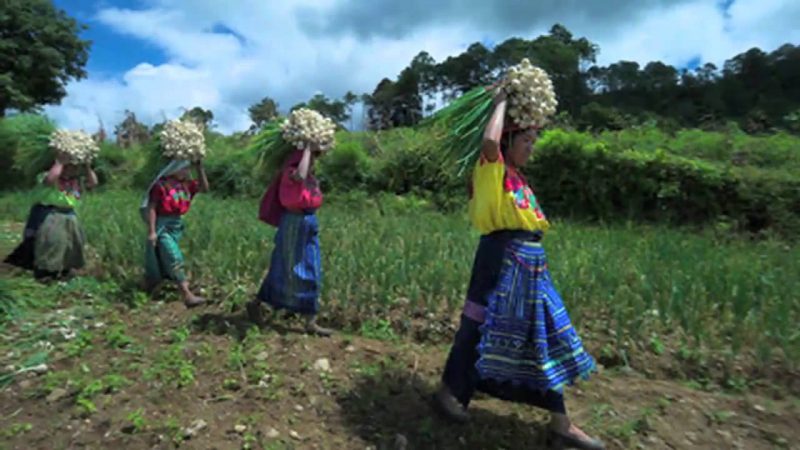
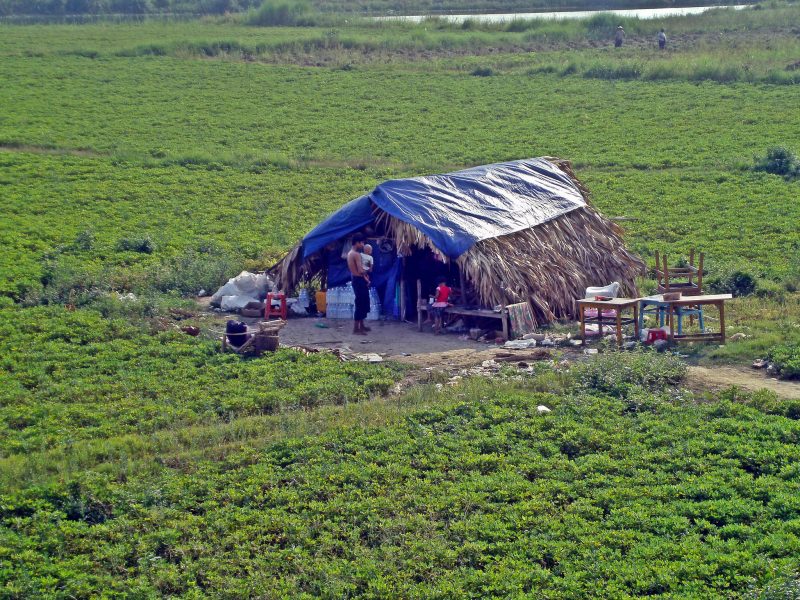
Some countries of the region are already paying more attention to sustainable technologies and policies; pockets of success include diversification into high-value crops, organic agriculture and renewable energy. Underlying factors for these successes must be identified and transferred to other regions and to other production options. In particular, technologies and practices for farming systems in use by poor and marginal farmers must be identified. Under this theme, CAPSA, in collaboration with its network of partners co-ordinates activities that result in the identification of best practices for sustainable agriculture in different subregions of Asia and the Pacific, especially subregions and areas characterized by high levels of poverty and food insecurity.
The outcome of this theme will include suggestions for successful adaptation and adoption of ‘what works’ in some subregions into farming systems of other regions in Asia and the Pacific, and will result in better knowledge on available technologies, on the identification of best practices and policy options that support sustainable production technologies, and focus on policy design that enables increasing productivity with inputs available to farmers in marginal and remote areas.
Some countries of the region are already paying more attention to sustainable technologies and policies; pockets of success include diversification into high-value crops, organic agriculture and renewable energy. Underlying factors for these successes must be identified and transferred to other regions and to other production options. In particular, technologies and practices for farming systems in use by poor and marginal farmers must be identified. Under this theme, CAPSA, in collaboration with its network of partners co-ordinates activities that result in the identification of best practices for sustainable agriculture in different subregions of Asia and the Pacific, especially subregions and areas characterized by high levels of poverty and food insecurity.
The outcome of this theme will include suggestions for successful adaptation and adoption of ‘what works’ in some subregions into farming systems of other regions in Asia and the Pacific, and will result in better knowledge on available technologies, on the identification of best practices and policy options that support sustainable production technologies, and focus on policy design that enables increasing productivity with inputs available to farmers in marginal and remote areas.